
"Brazilian coffee consumption"
800 article(s) found

Brazil's coffee bean production ranks first in the world Arabica coffee bean producing area coffee consumption new model
Brazil's coffee production is expected to exceed 61.6 million 60-kilogram bags by 2020, up from 49.3 million bags a year ago. Coffee crops are characterized by a biennial effect on harvest yields, with very high yields one year followed by relatively low yields. 2020 is the so-called positive double year. Brazil is by far the world's largest producer of coffee, while in the domestic sector the commodity accounts for 20 per cent
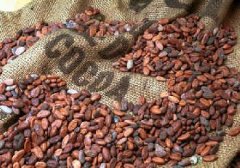
Brazilian coffee bean boutique coffee common sense
Brazilian coffee beans include all coffee beans grown in Brazil. Except for Sanduo, Brazilian beans are mostly cheap and good coffee. Can be used for mass production of comprehensive coffee beans, most of which are re-roasted. The main raw material of instant coffee is also Brazilian coffee beans. When the coffee bean germ is very fresh, it is artificially refined and naturally dried in the vulva for about 60-70 days to make the fruit

Soft-scented Brazilian coffee flavor and taste introduce Brazilian boutique coffee Brazilian coffee brand
Brazil is vividly compared to the giant and monarch of the coffee world. There are about 3.97 billion coffee trees there, and small farmers now grow 75% of Brazil's total coffee production. The number of coffee producers in Brazil is twice or even three times that of Colombia, the second largest coffee producer in the world. Unlike in the past, Brazil's economy is less dependent on coffee.

Introduction to the flavor and taste characteristics of moderately roasted Brazilian boutique coffee beans
Brazilian coffee generally refers to coffee produced in Brazil. There are many kinds of coffee in Brazil. Like other Arabica coffee, Brazilian coffee is called Brazilian coffee Brazils to distinguish it from Milds coffee. The vast majority of Brazilian coffee is unwashed and sun-dried and is classified according to the name of the state of origin and port of transport. Brazil has 21 states and 17 states produce coffee, but among them

Brazilian Coffee Bean Location Conditions Brand Characteristics Flavor Description Grindness Treatment Introduction
Brazilian coffee bean flavor description includes all coffee beans grown in Brazil, except Sandos, Brazilian beans are mostly cheap coffee. Mixed coffee beans that can be used for mass production, mostly for heavy roasting. The main ingredient of instant coffee is Brazilian coffee beans. When the coffee bean germ is very fresh, artificially refined, let it naturally dry in the shade room for about 60-70 days, so that the pulp

Coffee beans Brazil coffee taste supple world coffee production champion
The cultivation of Brazilian coffee began more than 280 years ago in 1727. Legend has it that the handsome army officer Pacita was sent to French Gaiana to mediate the territorial dispute between France and the Netherlands. The wife of French Gaiana actually fell in love with him and gave him a bag of bourbon coffee seeds. Right after Parcia returned to Brazil, Para changed his career as a coffee farmer and began to grow coffee.

The diversity of Brazilian coffee, an introduction to Brazilian coffee
Although coffee is diverse, Brazilian coffee is suitable for the taste of the public. For example, coffee produced in the northern coastal areas has a typical iodine taste, reminiscent of the sea after drinking. This coffee is exported to North America, the Middle East and Eastern Europe. Another kind of coffee that is interesting and worth looking for is washed Bahia. This kind of coffee is not easy to find, because after the United States

Historical stories of Brazilian Coffee producing areas introduction to the production time of Brazilian Coffee beans
Professional coffee knowledge exchange more coffee bean information please follow the coffee workshop (Wechat official account cafe_style) Brazilian coffee characteristics of Brazilian coffee generally refers to the coffee produced in Brazil. There is a wide variety of Brazilian coffee, the vast majority of which are unwashed and sun-dried, classified according to the name of the state of origin and the port of transport. Brazil has 27 states and 17 states produce coffee, but its

Brazilian coffee beans grown on plantations Growing regions Flavor description Taste treatment Variety introduction
Coffee production has gradually become a science since coffee trees were introduced from Guyane française in 1720. Before 1990, Brazil's coffee industry was strictly monitored by the government. There were both severe interference and price protection measures. Moreover, the state always implemented minimum price protection measures for farmers.
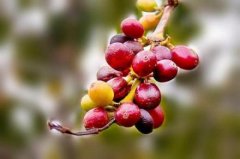
Brazilian coffee beans are also the main raw materials of instant coffee.
Brazilian coffee beans include all coffee beans grown in Brazil. Except for Sanduo, Brazilian beans are mostly cheap and good coffee. Can be used for mass production of comprehensive coffee beans, most of which are re-roasted. The main raw material of instant coffee is also Brazilian coffee beans. When the coffee bean germ is very fresh, it is artificially refined and naturally dried in the vulva for about 60-70 days to make the fruit

Introduction to the characteristics of Brazilian Coffee beans, the Giant of the World of Brazilian Coffee
Professional coffee knowledge exchange more coffee bean information please follow the coffee workshop (Wechat official account cafe_style) in-depth understanding of the world's largest coffee producer Brazil coffee bean grade Brazil is vividly compared to the giant and monarch of the coffee world. There are about 3.97 billion coffee trees there, and small farmers now grow 75% of Brazil's total coffee production. BA
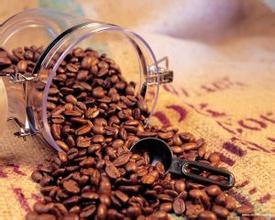
Boutique coffee Brazilian Coffee latest Coffee introduction the latest information on Brazilian coffee
Brazilian coffee generally refers to coffee produced in Brazil. There is a wide variety of Brazilian coffee, the vast majority of which are unwashed and sun-dried, classified according to the name of the state of origin and the port of transport. Brazil has 21 states and 17 states produce coffee, but four of them produce the largest, accounting for 98% of the country's total output. Brazilian coffee has a low sour taste, which goes well with coffee.

Boutique coffee beans Brazilian coffee the latest coffee introduces unique flavor
Brazilian coffee generally refers to coffee produced in Brazil. There is a wide variety of Brazilian coffee, the vast majority of which are unwashed and sun-dried, classified according to the name of the state of origin and the port of transport. Brazil has 21 states and 17 states produce coffee, but four of them produce the largest, accounting for 98% of the country's total output. Brazilian coffee has a low sour taste, which goes well with coffee.

Introduction of Brazilian boutique coffee bean manor with low acidity and moderate bitterness
Brazilian coffee generally refers to coffee produced in Brazil. There are many kinds of coffee in Brazil. Like other Arabica coffee, Brazilian coffee is called Brazilian coffee Brazils to distinguish it from Milds coffee. The vast majority of Brazilian coffee is unwashed and sun-dried and is classified according to the name of the state of origin and port of transport. Brazil has 21 states and 17 states produce coffee, but among them

Brazilian Coffee Flavor taste the characteristics of the manor producing area introduce Brazilian boutique coffee Brazilian coffee brand
The topography of Brazil is mainly divided into two parts, one is the Brazilian plateau above 500 meters above sea level, distributed in the south of Brazil, the other is the plain below 200 meters above sea level, mainly distributed in the north of the Amazon River basin and the west. The topography of the whole territory is divided into Amazon plain, Paraguay basin, Brazilian plateau and Guyana plateau, of which the Amazon plain accounts for about 1% of the national area. Yes

Low acidity Brazilian Coffee Flavor and taste introduction to the characteristics of Fine Coffee beans in Manor area
Brazilian coffee generally refers to coffee produced in Brazil. There are many kinds of coffee in Brazil. Like other Arabica coffee, Brazilian coffee is called Brazilian coffee Brazils to distinguish it from Milds coffee. The vast majority of Brazilian coffee is unwashed and sun-dried and is classified according to the name of the state of origin and port of transport. Brazil has 21 states and 17 states produce coffee, but among them

Introduction to Brazilian Coffee Flavor and Taste Brazilian fine coffee beans in Brazilian coffee producing areas
The topography of Brazil is mainly divided into two parts, one is the Brazilian plateau above 500 meters above sea level, distributed in the south of Brazil, the other is the plain below 200 meters above sea level, mainly distributed in the north of the Amazon River basin and the west. The topography of the whole territory is divided into Amazon plain, Paraguay basin, Brazilian plateau and Guyana plateau, of which the Amazon plain accounts for about 1% of the national area. Yes

Introduction to the characteristics of Grinding degree by conditional Flavor description treatment in Brazilian Coffee Bean planting area
The introduction of Brazilian coffee beans includes all coffee beans grown in Brazil. Except for Sanduo, Brazilian beans are mostly cheap and good coffee. Can be used for mass production of comprehensive coffee beans, most of which are re-roasted. The main raw material of instant coffee is also Brazilian coffee beans. When the coffee bean germ is very fresh, it is artificially refined and naturally dried in the vulva for about 60-70 days to make the flesh sweet.

Introduction of Brazilian Coffee with mellow taste introduction to the treatment of Brazilian coffee
Brazilian coffee generally refers to coffee produced in Brazil. There are many kinds of coffee in Brazil. Like other Arabica coffee, Brazilian coffee is called Brazilian coffee Brazils to distinguish it from Milds coffee. The vast majority of Brazilian coffee is unwashed and sun-dried and is classified according to the name of the state of origin and port of transport. Brazil has 21 states and 17 states produce coffee, but among them
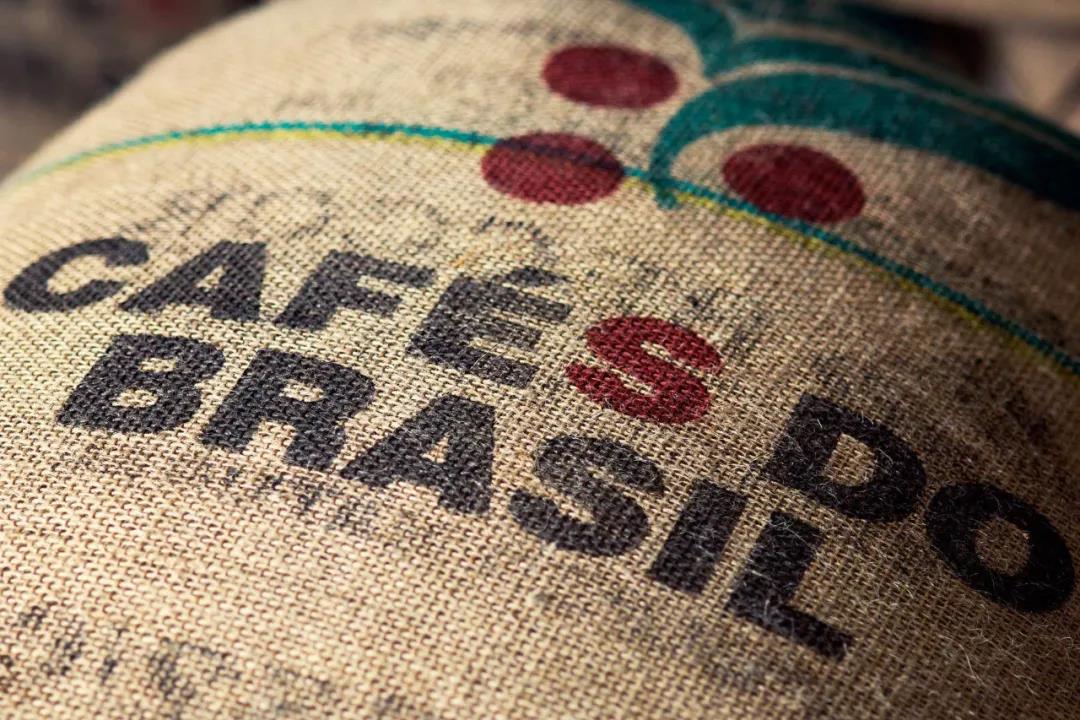
Brazil Coffee Information: will the reduction of Brazilian coffee production in 2021 affect the global coffee supply chain?
Professional coffee knowledge exchange more coffee bean information please follow the coffee workshop (Wechat official account cafe_style) according to the latest news released by Brazilian consulting firm Safras: there is plenty of Rain Water in Brazil's coffee-producing areas at the beginning of March, which means that there will be no drought in Brazil this year. But last year, Minas Gerais, the main coffee producing area of Arabica, was left behind by drought.